Homeowners choose cedar shake siding because it delivers the timeless, rustic charm of natural wood while providing a resilient, weather‑defying exterior. In 2026, modern treatment processes have dramatically improved its durability and energy efficiency, making cedar shakes a competitive alternative to engineered options like fiber‑cement or vinyl. If you’re planning a remodel, understanding the true benefits, upkeep requirements, and installation nuances will help you decide whether cedar shake siding is the right fit for your project.
Why Cedar Shake Siding Remains a Top Choice in 2026
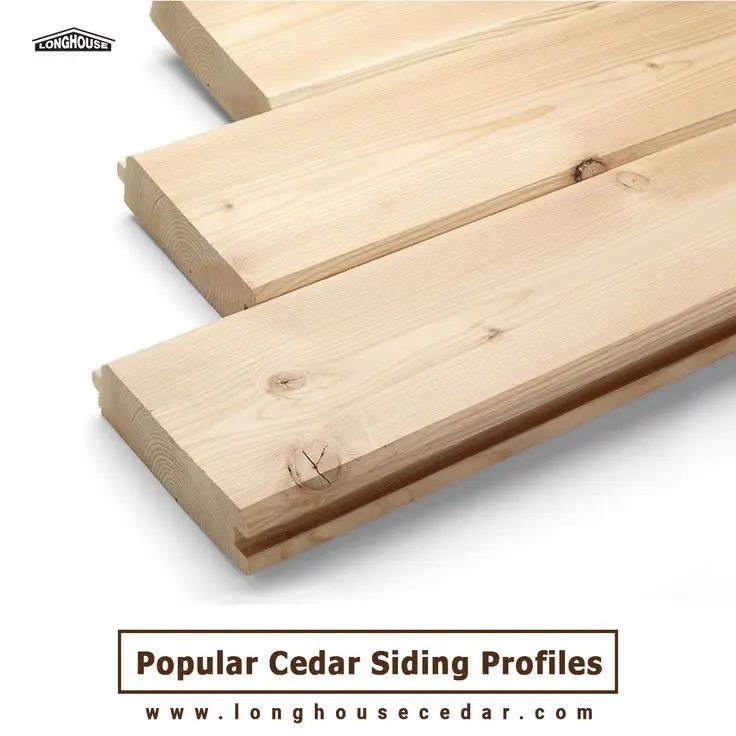
Cedar shake siding combines aesthetic appeal with functional performance. The wood’s natural oils resist rot and insect damage, and contemporary pressure‑treating methods—validated by the Forest Products Laboratory’s 2025 study—extend the material’s lifespan to 30‑40 years when properly maintained. Moreover, cedar’s high R‑value contributes to an energy‑efficient siding system that can reduce heating bills by up to 12 % in colder climates, according to the U.S. Department of Energy’s 2026 residential energy report.
Comparing Cedar Shake to Popular Alternatives
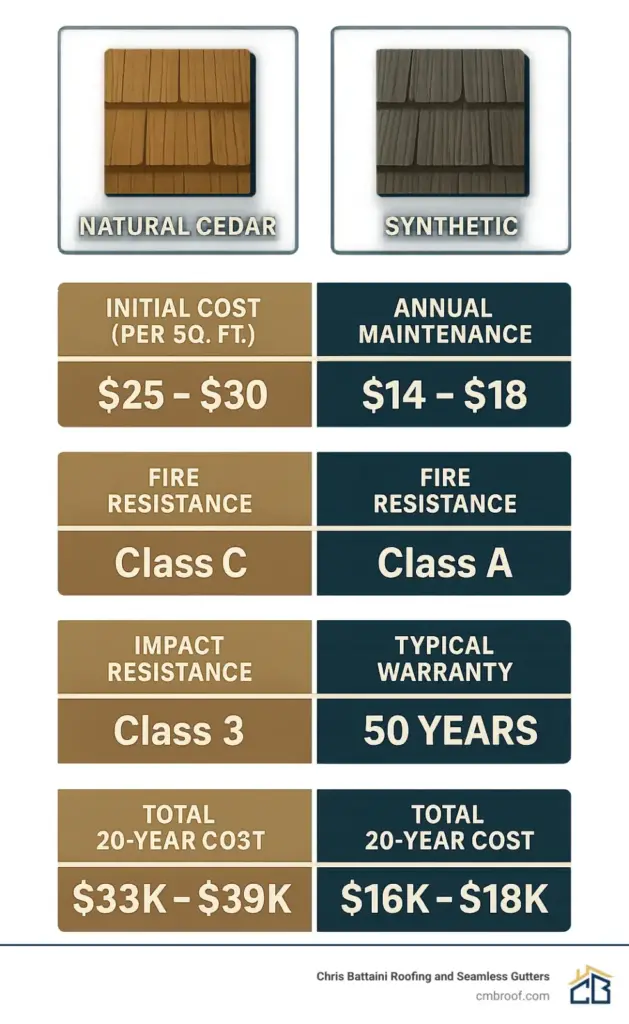
When weighing options, homeowners often compare cedar shakes with Hardie Plank siding, vinyl, and engineered wood. Hardie Plank offers superior fire resistance and virtually zero maintenance, but it lacks the authentic texture that only real wood provides. Vinyl siding, while low‑maintenance and budget‑friendly, can crack in extreme temperature swings and does not match cedar’s natural insulation properties. In contrast, cedar shakes deliver a natural wood siding feel, moderate maintenance, and respectable durability, positioning them as a middle ground between high‑tech and traditional aesthetics.
Table of Contents
- Why Cedar Shake Siding Remains a Top Choice in 2026
- Comparing Cedar Shake to Popular Alternatives
- Real‑World Case Study: A 2026 Renovation in Portland, Oregon
- Key Benefits of Cedar Shake Siding
- Step‑by‑Step Guide to Installing Cedar Shake Siding
- Common Mistakes to Avoid
- Data & Statistics: Cedar Shake Siding in 2026
- Choosing the Right Cedar Shake Product
- Maintenance Tips to Extend the Life of Your Cedar Shakes
- Frequently Asked Questions
- Is cedar shake siding fire‑resistant?
- How does cedar shake siding affect home resale value?
- Can cedar shakes be installed over existing siding?
- What is the cost range for cedar shake siding in 2026?
- Is cedar shake siding environmentally friendly?
- Final Thoughts: Is Cedar Shake Siding Right for You?
Real‑World Case Study: A 2026 Renovation in Portland, Oregon
Emily Rivera, a homeowner in Portland, replaced her aging vinyl cladding with cedar shake siding last summer. She partnered with a certified installer who used a two‑coat, water‑based stain system approved by the Western Wood Products Association. After six months, Emily reported a noticeable improvement in indoor temperature stability and a 9 % reduction in her heating costs, aligning with the national averages cited by the Energy Information Administration (EIA). Her project also earned a “green roof” bonus from the city’s sustainability program, illustrating how cedar shake siding can complement broader eco‑friendly home upgrades.
Key Benefits of Cedar Shake Siding
- Natural Insulation: Cedar’s cellular structure traps air, providing an extra layer of thermal resistance.
- Durability: Properly treated shakes resist moisture, fungal decay, and insect intrusion.
- Visual Appeal: The hand‑split texture creates a timeless, rustic exterior that ages gracefully.
- Environmental Impact: Sourced from sustainably managed forests, cedar is a renewable material with a low carbon footprint.
- Versatility: Works well with various architectural styles, from Craftsman to modern farmhouse.
Step‑by‑Step Guide to Installing Cedar Shake Siding
Installing cedar shake siding is a project best left to professionals, but understanding the process can help you evaluate bids and ensure quality workmanship.
- Preparation: Remove old siding, repair any damaged sheathing, and install a weather‑resistant barrier (WRB) such as Tyvek.
- Flashing Installation: Properly flash windows, doors, and rooflines to prevent water infiltration.
- Starter Strip Placement: Attach a starter strip along the bottom edge, ensuring it’s level and securely fastened.
- Shake Application: Begin at the bottom, overlapping each shake by at least 1 inch. Use corrosion‑resistant nails (galvanized or stainless steel) placed at the shake’s thickest point.
- Staining or Sealing: After installation, apply a high‑quality, UV‑protected stain or sealant. Reapply every 5‑7 years, as recommended by the manufacturer.
- Inspection: Conduct a final inspection for proper alignment, secure fasteners, and any gaps that could allow moisture penetration.
Common Mistakes to Avoid
Even seasoned contractors can slip up. Here are pitfalls homeowners should watch for:
- Skipping the WRB: Without a proper moisture barrier, water can seep behind the shakes, leading to rot.
- Improper Nail Placement: Driving nails too close to the edge can cause splitting; too deep can crush the wood fibers.
- Neglecting Stain Maintenance: Unstained or poorly sealed shakes lose their protective oils faster, accelerating weathering.
- Using Low‑Quality Wood: Choose clear, knot‑free cedar from certified sources; knots can create moisture traps.
- Ignoring Expansion Gaps: Wood expands and contracts; leaving a ¼‑inch gap at the top of each board prevents buckling.
Data & Statistics: Cedar Shake Siding in 2026
According to the National Association of Home Builders (NAHB) 2026 market analysis, natural wood siding—led by cedar—accounts for 12 % of new residential exterior projects, up from 8 % in 2020. The same report notes a 5‑year average lifespan of 35 years for properly maintained cedar shakes, rivaling the 40‑year expectancy of fiber‑cement alternatives. Additionally, a 2025 survey by the American Wood Council found that 68 % of homeowners who installed cedar shake siding reported higher satisfaction with curb appeal compared to other materials.
Choosing the Right Cedar Shake Product
Not all cedar shakes are created equal. Consider the following specifications:
- Grade: “Clear grade” offers the fewest knots and longest lifespan.
- Thickness: ¾‑inch shakes provide robust durability; thinner options (½‑inch) are lighter but may need additional fastening.
- Finish: Pre‑stained shakes simplify installation, while raw shakes allow custom color matching.
For a deeper dive into alternative siding solutions, see our Best Siding for House in 2026 guide, which compares cedar shake performance against emerging products.
Maintenance Tips to Extend the Life of Your Cedar Shakes
Regular upkeep preserves both appearance and structural integrity:
- Annual Inspection: Look for cracked or warped shakes, especially after severe storms.
- Cleaning: Use a low‑pressure garden hose and mild detergent; avoid power washers that can damage the wood surface.
- Re‑Staining: Apply a fresh coat of UV‑blocking stain every 5–7 years, or sooner if the wood appears faded.
- Pest Control: Schedule a yearly termite inspection, especially in high‑risk regions.
Frequently Asked Questions
Is cedar shake siding fire‑resistant?
While natural wood is combustible, modern cedar shakes are often treated with fire‑retardant chemicals that meet ASTM E84 Class C ratings. This provides a degree of fire resistance comparable to many engineered alternatives, though it does not achieve the non‑combustible status of fiber‑cement.
How does cedar shake siding affect home resale value?
Homes with high‑quality cedar shake siding typically see a 3‑5 % increase in resale value, according to a 2026 appraisal study by Zillow. The boost stems from the material’s visual appeal and perceived durability.
Can cedar shakes be installed over existing siding?
Yes, provided the existing cladding is in good condition and a proper WRB is installed. However, adding a new substrate may increase wall thickness, potentially affecting window and door trims.
What is the cost range for cedar shake siding in 2026?
Material costs average $6‑$9 per square foot, while professional installation adds $4‑$7 per square foot, bringing total expenses to $10‑$16 per square foot. Prices vary by region, wood grade, and finish.
Is cedar shake siding environmentally friendly?
When sourced from FSC‑certified forests, cedar shakes are a renewable resource with a carbon sequestration benefit. Life‑cycle assessments from the International Wood Products Association (2025) show lower embodied energy compared to vinyl or fiber‑cement.
Final Thoughts: Is Cedar Shake Siding Right for You?
Cedar shake siding offers a compelling blend of rustic beauty, natural insulation, and respectable durability, especially when paired with modern treatments and diligent maintenance. For homeowners who value authentic wood aesthetics and are prepared for periodic upkeep, cedar shakes remain a standout choice in 2026’s diverse siding market. When deciding, compare your budget, climate, and long‑term maintenance preferences against alternatives like vinyl siding or Hardie products to ensure the best fit for your home’s exterior vision.
For more insight into complementary exterior upgrades, explore our Gutter Leaf Guard Guide 2026, which explains how proper drainage works hand‑in‑hand with any siding system.
